Security You Can Trust
Winter-Proof Your Security and Fire Alarms in Ogden: Essential Tips for Homes and Businesses
Winter-Proof Your Security and Fire Alarms in Ogden: Essential Tips for Homes and Businesses
Winter in Ogden can strain your security and fire alarm systems in ways you might not expect. Cold snaps, heavy snow, and power outages often cause false alarms and system failures right when you need protection most. This guide shows you how to winter-proof security with simple checks on batteries, backup power, cameras, and sensors to keep your home or business safe all season. Contact Denco Security today for a free winter-readiness consultation and quote. For more information, check out this winter home security checklist.
Prepare Your Security System
As winter approaches, your security system needs extra care. Ensuring its readiness can prevent unexpected issues during the cold months.
Battery Health Checks
Cold weather can weaken batteries, and a weak battery might compromise your security system. Here’s how you can keep them in check:
Test Regularly: Use a multimeter to check the battery’s voltage. Ideally, it should read around 12 volts.
Replace Old Batteries: If your battery is over three years old, consider replacing it. A fresh battery ensures consistent performance.
Visual Inspections: Look for corrosion or leaks. These can be signs your battery needs immediate attention.
By maintaining healthy batteries, you prevent system failures, keeping your property secure.
Power and Cellular Backups
Power outages are common during winter storms. Here’s how to ensure your system stays operational:
Install Backup Power: Consider a battery backup to keep your system running during outages.
Cellular Backup: If your security relies on the internet, cellular backup is crucial. It keeps your system connected even if Wi-Fi fails.
Backup systems are your safety net during unexpected outages, ensuring continuous protection.
Sensor Placement for Winter
Winter conditions can affect sensor performance. Proper placement is key:
Avoid Direct Snow Exposure: Snow can obstruct sensors. Place them under eaves or protective covers.
Check for Drafts: Cold air can affect sensor accuracy. Ensure sensors are not near windows or doors where drafts may interfere.
By optimizing sensor placement, you maintain system reliability, even in harsh weather.
Winter-Proof Your Fire Alarms
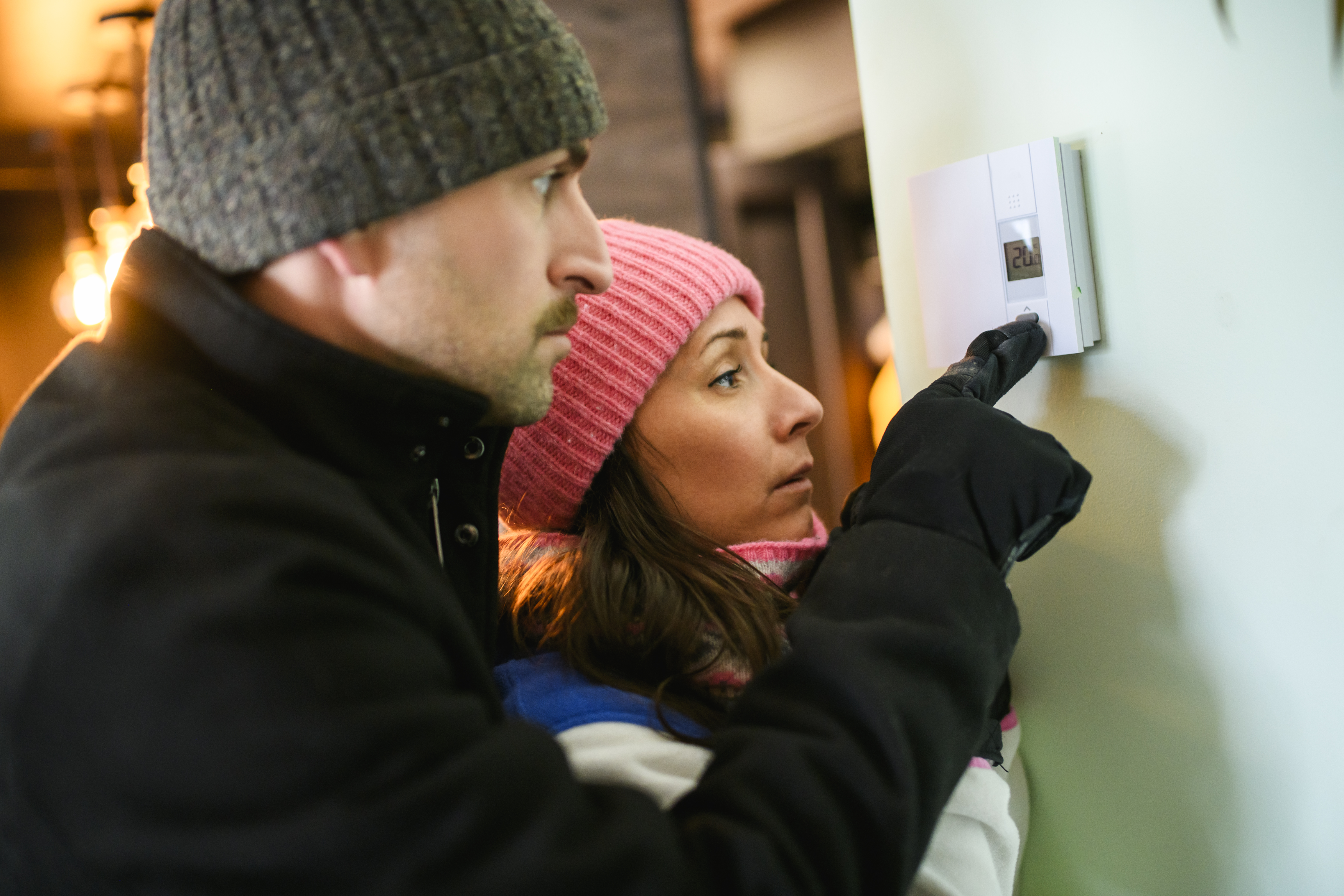
Fire alarms need extra attention during winter. Proper maintenance ensures they function when needed.
Testing and Inspections
Regular checks are vital for fire alarm systems:
Monthly Testing: Use the test button on each alarm. A loud, consistent sound indicates proper function.
Professional Inspections: Schedule annual inspections with a certified technician. They can identify and fix potential issues.
Regular testing and inspections provide peace of mind, ensuring your alarms are ready in emergencies.
Environmental Monitoring Sensors
These sensors detect conditions that may lead to fires. Here’s how to use them effectively:
Install in Key Areas: Place sensors in kitchens and near fireplaces where fire risks are higher.
Regular Checks: Ensure sensors are clean and free from dust. Dust can cause false readings.
Environmental sensors add an extra layer of safety, identifying risks before they escalate.
Surge Protection Essentials
Power surges are common during winter storms. Protect your fire alarms with these tips:
Use Surge Protectors: Install surge protectors on all systems. They prevent damage from sudden power spikes.
Inspect After Storms: Check systems after severe weather. Damage can occur without immediate signs.
Surge protection ensures your alarms remain functional, safeguarding your property from potential fires.
Maintain Your Security Cameras
Security cameras provide essential surveillance. Winter maintenance ensures they capture clear footage.
Outdoor Camera Care Tips
Winter conditions can blur camera lenses. Keep them clear with these steps:
Regular Cleaning: Wipe lenses with a soft cloth regularly to remove snow and ice.
Protective Housings: Use housings to shield cameras from harsh weather.
Clear lenses provide accurate footage, crucial for effective surveillance.
Snow and Cold Weather Cameras
Special considerations keep cameras functional during snow and cold:
Install Heaters: Camera heaters prevent lens fogging and ice buildup.
Weatherproof Models: Invest in cameras designed for winter conditions. They’re more resilient to cold and moisture.
These enhancements ensure your cameras operate smoothly, providing vital security footage.
Prevent False Alarms in Winter
False alarms can be troublesome. Here’s how to minimize them:
Adjust Sensitivity: Lower sensitivity settings to prevent snow-related triggers.
Regular Updates: Keep your camera system software updated. Updates often include improvements for winter conditions.
By reducing false alarms, you maintain security without unnecessary interruptions.
Winter can challenge your security systems, but with these tips, you’re ready to face the season confidently. For more expert advice, explore winter home maintenance tips in Utah, preparing your home for winter, and winter home security tips.